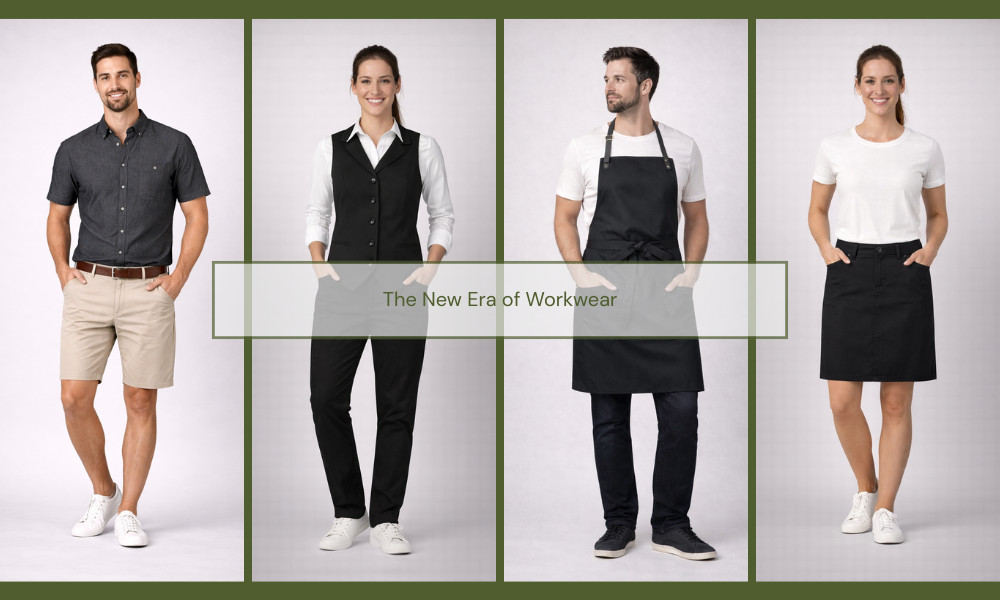
Have you picked up on a different vibe in workplaces feel lately? Not too long ago, uniforms were all about professionalism equaling very formal looks. Staff looked polished, but they weren’t always comfortable, especially during long busy days. Now things are shifting. Teams move more, roles are more flexible, and businesses are starting to ask, “Why can’t uniforms look professional and still feel good to wear?”
That’s where the new era of workwear comes in. More brands are choosing styles that feel modern, relaxed, and easy without losing that polished edge. When your team feels comfortable, it shows up in how they work, how they speak, and how they carry your brand. In 2026, casual and comfortable is not lowering the standard it is the new standard. So why is this shift happening? Let’s get into it.
1. Why Businesses are Shifting Toward Casual Uniforms
Ever wondered why so many businesses are relaxing their dress codes lately? Work doesn’t look the same as it did years ago. Teams are more active, roles are more flexible, and the days can get busy fast. So, it makes sense that stiff, old-school uniforms don’t always fit the way people work now. Today’s staff value comfort and freedom to move. They want to feel natural and confident, not restricted. When uniforms feel easier to wear, people tend to feel more at ease, and that shows in how they talk to customers and handle their tasks.
It’s not about being too casual. It’s about finding that balance where your team feels comfortable and still looks professional. And honestly, when people feel good in what they’re wearing, doesn’t it reflect in how they perform?
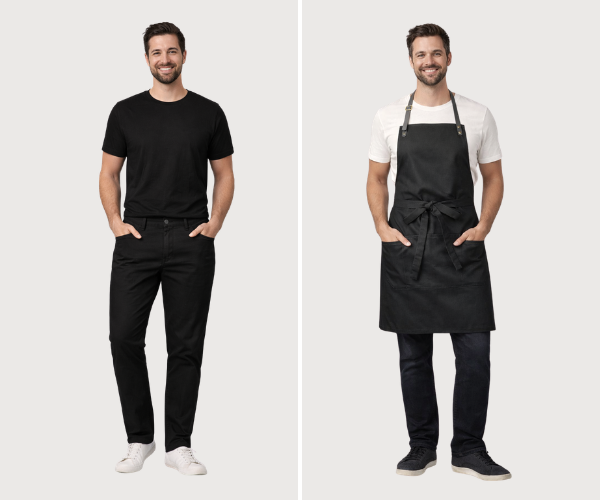 2. Start with Quality Tees (Not Basic Tees)
Think all tees are the same? Not really. There’s a big difference between a cheap basic tee and a tee that’s actually made for work. The new era of uniforms often starts with something simple but done properly. A quality tee uses better fabric. It feels soft but still structured. It holds its shape after washing and doesn’t stretch out or look tired after a few wears. It’s cut well, not too tight, not too loose, and it doesn’t cling in the wrong places.
And yes, a tee can look professional. It just needs to be designed with purpose. When the fabric is right and the fit is right, even something simple like a t-shirt can look clean, polished, and ready for customer-facing roles.
3. Elevate with Smart Branding
What makes a simple uniform feel intentional instead of basic and not well thought out? Well, it’s all in the branding.
This is where casual turns into considered. A small, embroidered logo, clean placement, and well-chosen colours can instantly lift the whole look. It doesn’t have to be loud to be effective. In fact, less is usually better. Oversized prints and huge logos can feel overwhelming, we prefer small but still looks elegant. Modern branding is more subtle. It feels confident, not forced. It supports the uniform instead of taking over.
When your branding is done right, the whole team looks cohesive and confident. It keeps everything consistent, polished, and clearly connected to your brand without shouting for attention.
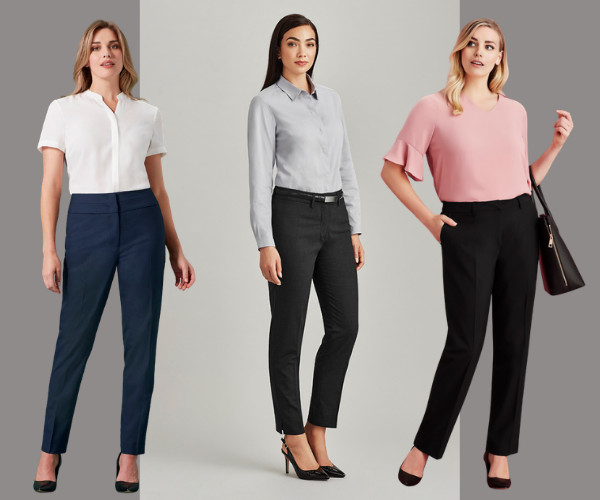 4. Pair Casual Tops with Tailored Bottoms
How do you keep things relaxed without looking too casual? Always keep in mind the word, balance. One easy way to do this is by pairing a casual top with more tailored bottoms. A quality tee or polo matched with structured chinos, trousers, or a neat skirt instantly feels more put together. It’s simple, but it works. This mix gives your team the best of both worlds. The top feels comfortable and easy to wear, while the tailored bottoms keep the overall look professional. It’s approachable but still polished.
And you know what the best part is? Your team can move freely, stay comfortable, and still look ready for any customer interaction. That’s the kind of balance that makes a uniform work in real life.
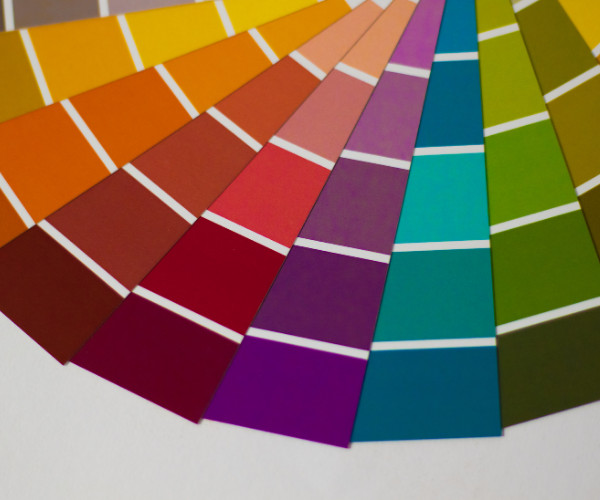
5. Choose Colours that Feel Modern
Have you ever noticed how colour can change the whole feel of a uniform? Even with a simple design, the right colours can make everything look more modern. Soft neutrals, earthy tones, muted blues, and warm greys feel calm and intentional. They don’t scream for attention, but they still look strong and confident.
These shades are also easy to wear. They mix and match well, and they don’t go out of style quickly. That means your uniforms won’t start looking dated after a short time. And let’s be honest, photos matter now more than ever. From social media to websites, your team will likely be seen online. Modern colours photograph well and help your brand look clean and consistent wherever it shows up.
6. Keep the Fit Consistent Across the Team
Have you ever seen a team where everyone’s wearing the same uniform, but somehow it still looks mismatched? That usually comes down to fit. Even with casual uniforms, consistency still matters. If one shirt is too baggy, another is too tight, and someone else is swimming in fabric, the overall look can start to feel messy.
It helps to choose one clear fit direction. Maybe it’s relaxed. Maybe it’s semi-fitted. Maybe it’s slightly tailored. The key is that it feels intentional and the same across the team. And don’t forget sizing. Offering inclusive sizes and well-shaped cuts makes a big difference. When everyone feels comfortable in what they’re wearing, they naturally look more confident. And that’s what really pulls a casual uniform together.
7. Casual Doesn’t Mean Losing your Brand Identity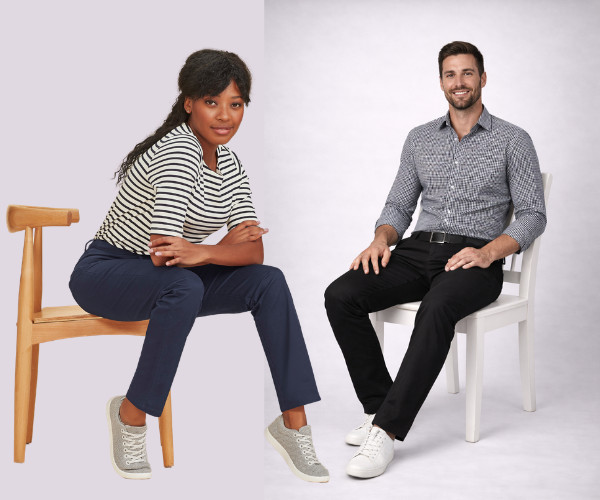
Worried that going casual might water down your brand? It doesn’t have to. Casual workwear doesn’t mean you forget who you are as a business. It just means you’re showing it in a more modern and relaxed way.
Your uniform should still feel like you. The colours should match your brand. The logo should feel clear and well placed. The fit and fabric should reflect the kind of experience you want customers to have whether that’s premium, friendly, creative, or corporate. When it’s done right, casual uniforms can still show trust, quality, and confidence. They tell customers that your business is up to date and thoughtful about how people work today.
The real question isn’t, “Will we lose our identity?” It’s, “How can we express it in a smarter, more comfortable way?”
