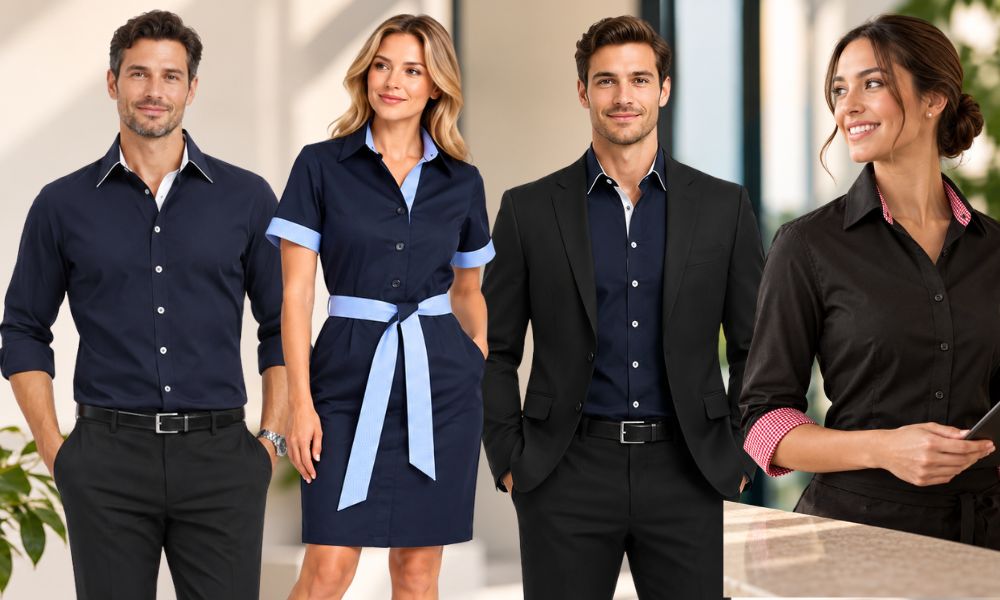
When you hear the word custom, what comes to your mind? Is it something made just the way you want it, rather than choosing from what’s already available? That’s one of the reasons more businesses are choosing custom uniforms. It’s a chance to create something that represents their brand and gives their team a look of their own, rather than simply picking something ready-made.
But what goes into making a custom uniform? It’s not just about choosing a design, picking a colour, or adding a company logo. There’s a lot of thought and planning that happens before anything is made. From understanding what the business needs to finding the right fabrics, styles, and details, each step takes time and careful thought. It’s not something you simply put together in a hurry. So, if you’re wondering what goes into making custom uniforms, let’s walk through the things worth considering when bringing your uniform ideas to life.
Here are the 5 Key Things to Consider:
1. Every Great Uniform Starts with an Idea
Most great things start with a simple idea, and custom uniforms are no different. What begins as a thought about how you want your team to look can turn into something much more. It’s about taking that idea and creating a uniform that represents your business, suits your team, and feels right for the people wearing it. But the question is, how do you turn that first idea into something that really works? It starts with thinking about what you want your uniforms to say about your business. Maybe you already have some colours in mind, a style you like, or a certain vibe you want your team to embody. These are all great places to start, but it’s also worth thinking about how those choices will work for your team in their everyday roles.
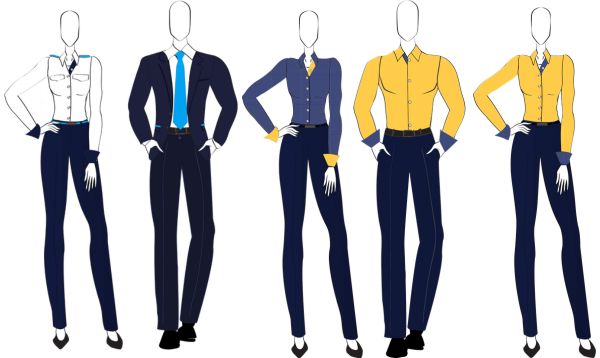
For example, a style that looks great might not always be the most comfortable choice for someone who’s moving around all day. The same goes for fabrics and colours. You want something that looks good, but you also need to think about how it feels, how easy it is to care for and whether it suits the kind of work your team does. This is where planning helps. Look at different ideas, think about what your team needs and don’t be afraid to explore a few options before settling on a design.
 2. Understanding the Business and its Needs
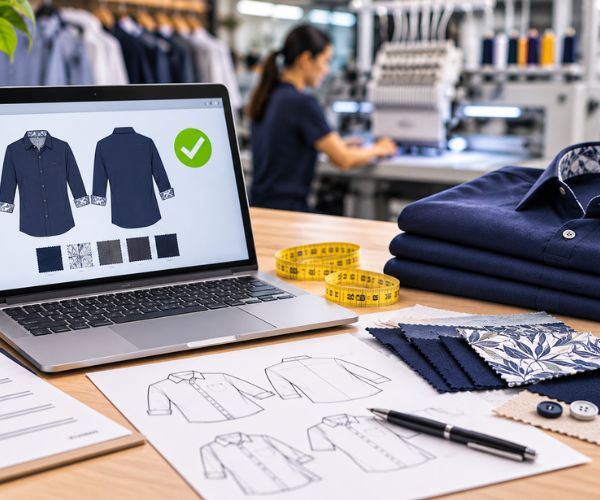
Now that you know how you want your uniforms to look, it’s time to think about what your business and team actually need. We all know not every workplace is the same, and what works for one business might not work for the other. For example a corporate office team might need something smart and stylish to give them that corporate and professional edge, while hospitality and retail staff may need uniforms that allow them to move around easily. For those working outdoors, lightweight and breathable fabrics can make a big difference, especially during warmer days.
It’s also worth thinking about what your team does throughout the day and how often their uniforms will be worn and washed. Are they on their feet most of the time, moving between tasks or working in different weather conditions? These everyday details can help you choose the right styles, fit, and fabrics. You’ll also want something that can handle regular washing without losing its shape or looking worn too quickly. The idea is to find uniforms that suit the way your business works and keep your team comfortable day after day.
3. Choosing the Right Styles, Colours and Fabrics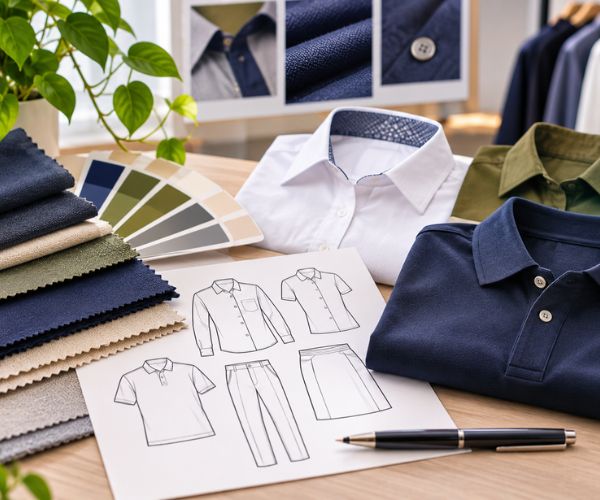
Do you know one of the most creative part about creating custom uniforms? It’s choosing the colours, styles, and fabrics. This is where you can start picturing how you want your team to look and have a little fun mixing and matching different looks. Maybe you prefer classic colours that are easy to mix and match, or perhaps you want something a little brighter to help your team stand out. Whatever you have in mind, it’s worth thinking about how those choices will work in everyday life, too. For example, white and cream can give uniforms a fresh and clean look, but are they easy to keep fresh and looking new? They may need a little extra care, especially with regular wear. You can also explore other colour combinations, such as navy and light blue for a classic look or sage green and beige for something a little softer. It’s also worth thinking about the seasons. Would lighter colours and fabrics work better for summer uniforms? Could other shades and styles be more suitable during cooler months? These little details can help you make choices that look good and work well for your team.
And what about the fabric and fit? A uniform might look great, but will it feel comfortable after wearing it for eight hours? For warmer days, lightweight and breathable fabrics can make a big difference. If your team spends most of the day walking, bending, or moving around, wouldn’t a little stretch in their pants make things easier? It’s also worth looking at how easy the fabric is to wash, how quickly it dries, and whether it still looks good after regular use. Sometimes, the best choice is simply something that looks good, feels comfortable, and works well for everyday life.
4. Adding the Personal Touch: Branding and Design Details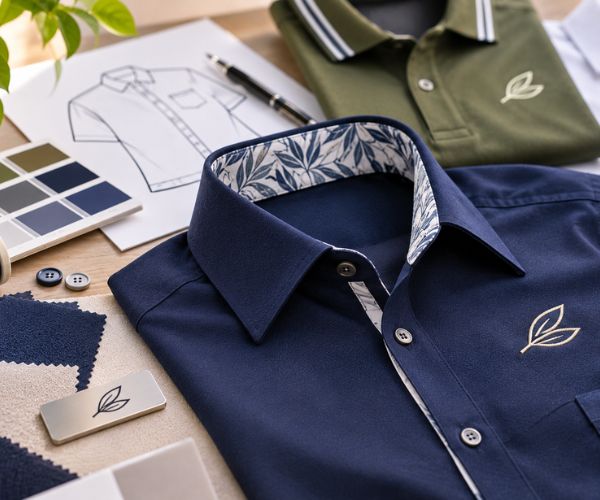
Now that you’ve got the styles, colours, and fabrics sorted, what’s next? It’s time to add a little personality to your uniforms. This is where your brand really starts to shine through. Something as simple as adding your company logo, using your brand colours, or including embroidery can make a uniform feel more personal and give it a look that belongs to your business. But where should the logo go? Would you prefer embroidery or printing? Is a small logo on the chest enough, or would you like something a little more noticeable? These are little details you can play around with until you find what works best.
Of course, you don’t need to add too much to make a uniform stand out. Sometimes, keeping things simple is what makes the design look great. You can also think about the smaller features, like pockets, buttons, and collars. Does your team need extra pockets for everyday use? Would a different collar or button style suit the design better? This small detail can make a difference to the overall look. The idea is to bring your brand into the design while keeping it practical, comfortable, and easy to wear.
5. From Design Approval to Production
Now, you’ve got the design, colours, and fabrics confirmed. Is that the end? Not quite! Before everything moves into production, it’s worth taking one last look at all the details. Do the colours look right together? Does the fabric feel as good as you expected? And does the overall style match what you had in mind? If samples are available, take the chance to see and feel them in person. Pictures can give you a good idea, but there’s nothing quite like seeing how a garment looks and feels up close.
It’s also a good idea to let a few team members try the samples. After all, they’re the ones who will be wearing the uniforms, so why not get their thoughts? Can they move around comfortably? Does the fit feel right? You might even want to see how the fabric holds up after washing, especially if the uniforms will be worn regularly. If something doesn’t feel quite right, this is the best time to make a few changes. Once everything looks good and has been approved, it’s ready for production. Taking a little extra time here can help avoid surprises later and make sure the finished uniforms are something your team will enjoy wearing.
 6. The Final Look
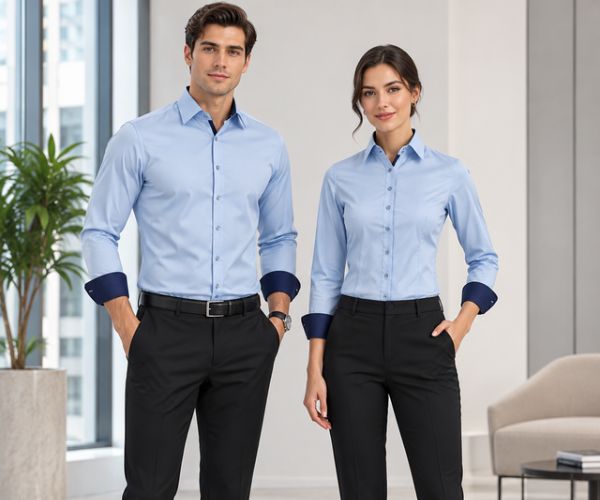
And finally, here’s the exciting part, seeing everything come together. What started as an idea has now turned into something your team can wear every day. All those little decisions, from choosing the colours and fabrics to getting the design just right, have finally come together in one finished uniform. But of course, it’s not just about how they look when they arrive. You want uniforms that feel comfortable, are easy to wear, and work well for your team’s everyday tasks. When the right styles, colours and fabrics come together, you get something that not only looks great but also makes getting dressed for work a little easier.
And that’s the beauty of custom uniforms. You get to create something that suits your business, feels right for your team, and brings your brand together. It’s always nice to see an idea turn into something everyone can wear and feel good in, day after day.
