
As winter fades and spring edges closer, it’s a good time to take a fresh look at your team’s workwear. The mornings can still be cool, but by the middle of the day, temperatures start to rise, and suddenly that heavy winter uniform doesn’t feel quite as comfortable anymore. These changing temperatures can make choosing the right uniform a little tricky.
The good news is, you don’t have to completely change your team’s wardrobe every time the season changes. A few simple changes, from lighter fabrics to easy layers and more flexible options, can help your team stay comfortable while still looking professional and consistent. So, before spring arrives, let’s audit if your uniform’s ready for the change.
 1. When the Weather Changes, Your Uniform Should Too
We all know how unpredictable those in-between seasons can be. In the morning, you reach for a jacket, only to take it off a few hours later when the day starts to warm up. As spring arrives, the uniform that felt comfortable just a few weeks ago may suddenly feel a little too heavy for the season.
This is why it’s worth reviewing your uniform as the seasons change. You don’t need to completely replace everything. Think of this as an opportunity to make a few practical updates, such as swapping a heavier shirt for a lightweight polo or choosing a lighter outer layer. Small changes like these can make your team more comfortable without changing the overall look of your brand.
2. Check What You Already Have
Before ordering a whole new range of uniforms for spring, take a moment to look at what your team already has. You might be surprised by how many pieces still work for the season ahead. Some items may simply need to be rotated, paired differently, or saved for cooler mornings rather than replaced completely. It’s also a good chance to check which pieces are still looking their best and which ones have started to look a little tired.
Take a look at what your team wears regularly and ask what’s working and what’s not. Maybe the heavier jackets are still useful for those cooler mornings, while lighter shirts and polos can become the go-to option as the days get warmer. By doing a quick uniform check before buying anything new, you can focus on the pieces your team genuinely needs instead of replacing things that are still perfectly usable. It can save you both time and money, and sometimes, a simple refresh is all you need.
3. Choose Lighter Fabrics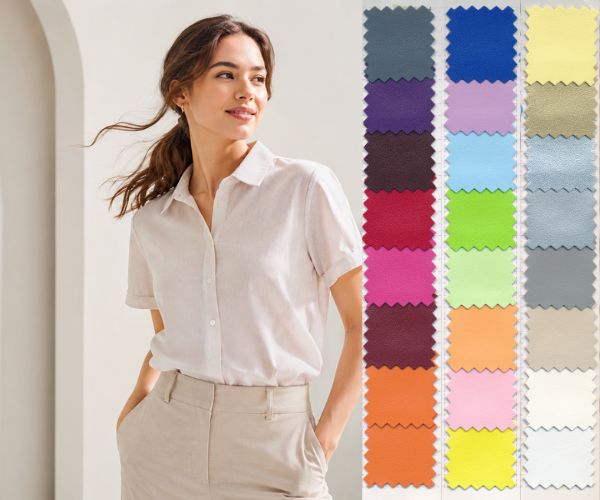
When spring rolls around, one of the easiest things to rethink is the fabric your team is wearing. Thick or heavy workwear can quickly become uncomfortable, especially for people who are constantly moving around during their shift. No one wantsto spend hours at work feeling hot, sweaty, or restricted by an uncomfortable uniform.
The right fabric will depend on what your team’s duties are. A café or restaurant team, for example, could swap heavier shirts for lightweight polos or tees, while a retail team might benefit from breathable shirts that are comfortable during long hours on the floor. For outdoor roles, lightweight performance fabrics can be a practical option. The idea is simple: choose workwear that feels right for the job and the warmer months while still looking like your brand.
 4. Keep Layers for Cooler Days
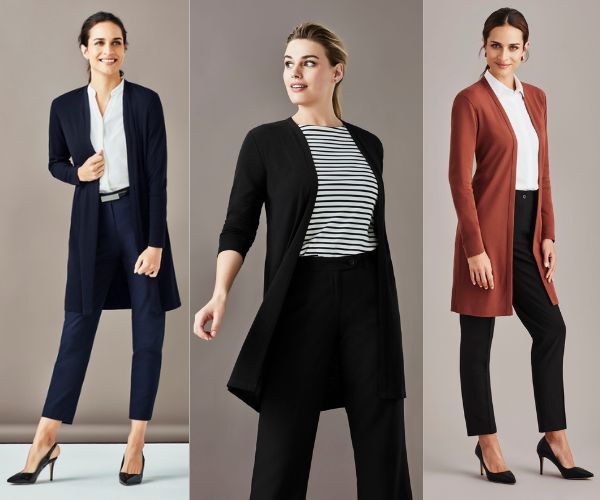
Even when the days start getting warmer, those cooler mornings aren’t going anywhere just yet. That’s where simple layers can make a big difference.
Think lightweight jackets, cardigans, overshirts, or even a simple branded jumper that can be thrown on when needed. Your team might start the morning with a light jacket over their usual uniform, then take it off once the day warms up. It gives everyone an easy option without needing a completely different uniform for every temperature.
5. Consider Different Team Roles
Not everyone on your team has the same role and duties, so wearing the exact same uniform may not work. When planning your spring workwear, it’s worth thinking about what each person actually does during the day. Someone working at reception might be perfectly happy in a lightweight shirt, while a team member who spends most of their day moving between indoor and outdoor areas may need a light jacket or another layer. A busy hospitality team might need something completely different again.
The idea isn’t to give everyone a completely different look. You could have your front-of-house team in lightweight shirts, your outdoor staff in breathable polos, and your managers in a more polished option, all using the same colours and branding. That way, everyone has workwear that makes sense for their job while still looking like part of the same team.
6. Think Beyond Spring
Spring might be the reason you’re looking at your team’s uniforms right now, but it’s worth thinking a little further ahead too. You don’t want to choose pieces that only make sense for a few months and then end up sitting in the cupboard once the weather changes again.
Look for pieces that can be used in different ways throughout the year. A lightweight polo might work on its own during warmer months but still look great under a jacket when things cool down. The same goes for simple shirts, cardigans, overshirts, and other versatile pieces. Choosing workwear that can adapt to different seasons means you won’t have to start from scratch every time the weather changes.
A little planning now can save you time, money, and another big uniform rethink later.
