
For a long time, uniforms have been all about being durable, comfortable, and looking professional, and that hasn’t changed. But now, there’s something else to think about too: how the uniform is made and where it comes from?
Sustainability is no longer just a trend. It has become something people genuinely care about and something more businesses are starting to take seriously. From reducing waste to making better choices, more companies are finding ways to do things smarter, and that includes their uniforms. Always remember that going sustainable doesn’t mean giving up quality or style. Many eco-friendly uniforms feel just as good, last just as long, and still look clean and professional.
So, what makes a uniform sustainable? And why does it matter for your business? Let’s talk about it.
1. What Are Sustainable Uniforms?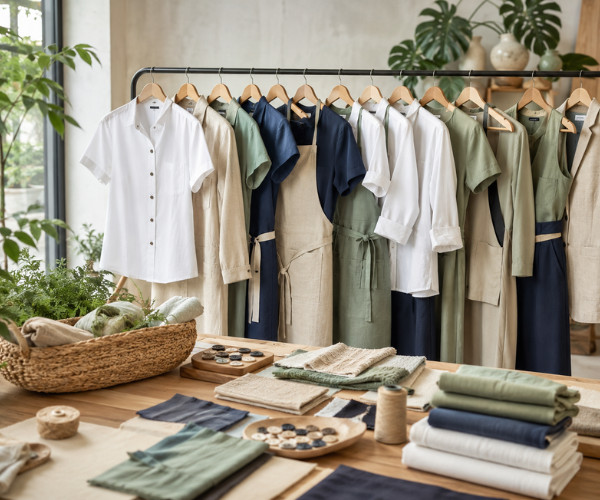
When we hear “sustainable uniforms,” we usually think it just means workwear that’s better for the environment, and yes, that’s part of it. But there’s a bit more to it than that. It can mean using better materials, like recycled fabrics or natural fibres that use less water and energy to produce. You might have heard of recycled polyester or organic cotton. These are popular because they help reduce waste and are less harmful to the environment.
But it’s not just about the fabric. Sustainability also means how the uniform is made and how long it lasts. A well-made uniform that keeps its shape, colour, and quality over time doesn’t need to be replaced often, and that’s better for both your budget and the environment. It also comes down to making smarter choices as a business. Choosing quality over quantity, working with the right suppliers, and thinking long-term instead of just short-term.
2. Why Sustainability Matters in Workwear
When we talk about sustainability, we simply mean doing things in a way that lasts over time. And when it comes to uniforms, businesses want something that works well, lasts long, and still looks good. This is where sustainable uniforms come in. Uniforms go through a lot. They’re worn for long hours, washed over and over, and still expected to look presentable every day. Now imagine that across your whole team. Over time, that adds up not just in cost, but also in waste.
That’s why sustainability in workwear matters more than ever. Businesses are becoming more aware of their impact, and customers are paying attention too. People want to support brands that care and make better choices, and uniforms are one simple way to show that. It doesn’t mean you have to be perfect. It’s about making smarter decisions where you can. Choosing better quality uniforms, replacing them less often, and working with suppliers who think the same way.
 3. Benefits for Your Business
When we need something for our business, one of the first things we think about is the benefit. Is it worth it? Will it help us in the long run? Is it a smart choice? It’s the same when it comes to sustainable uniforms. Before making the switch, it’s normal to ask what’s in it for the business.
The good thing is, the benefits go beyond just helping the environment. Sustainable uniforms can help you save money over time since they are often made to last longer. They can also improve how people see your brand. Customers notice when a business is making better choices, and it builds trust. It can also have a positive effect on your team. Employees feel better working for a company that cares, and even small changes like this can make a difference. So while sustainability is about the bigger picture, it also brings real, practical benefits to your business day to day.
4. Popular Sustainable Fabric Options
What we always think about first is what’s best for our team and our business. And now that sustainable uniforms are becoming more popular, the fabrics used are getting more attention, too. The good thing is, sustainable fabrics have come a long way. There are now plenty of great options to choose from, and it doesn’t have to feel complicated.
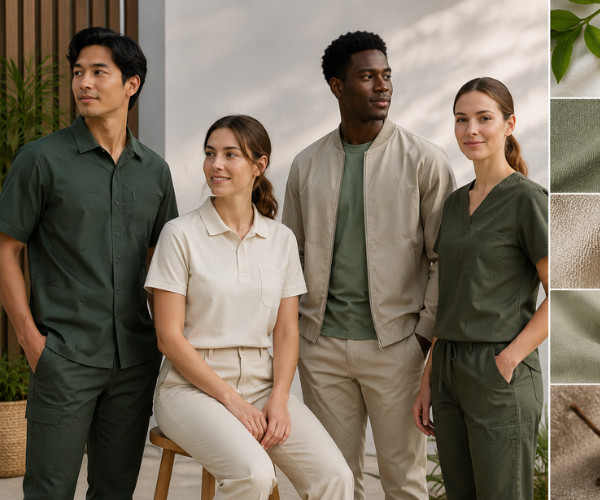
One of the most common is recycled polyester. It’s often made from recycled plastic bottles, which helps reduce waste. It still feels and works like regular polyester. It’s durable, easy to care for, and perfect for everyday uniforms like polos, shirts, or even hospitality wear. Then there’s organic cotton. It’s soft, breathable, and comfortable, especially for long workdays. It’s a great choice for teams who are always on the move, like in retail or office settings, where comfort really matters. Bamboo blends are also becoming a favourite. They’re lightweight, soft, and feel really nice to wear, especially in warmer environments. You’ll often see these in uniforms for healthcare, wellness, or customer-facing roles where comfort is key.
 5. Is It Worth the Investment?
When we choose something, whether it’s for personal use or business, we always ask the same question, is it worth it? We want to be sure we’re making the right decision and not something we’ll regret later. It’s the same when it comes to sustainable uniforms. First, the cost might seem a bit higher, and that’s usually where businesses hesitate. But the thing is, it is not just about the price it’s about the value you get over time.
If your uniforms last longer, maintain their quality, and don’t need to be replaced as often, you’re actually saving more in the long run. Less replacing means less spending, less hassle and less impact on our environment. So, is it worth it? For us, it’s a yes, not just because it’s a better choice for the environment, but because it also makes sense for the business. At the end of the day, it’s about making a choice that works for your business now, while also thinking about the future.
6. How to Transition to Sustainable Uniforms
First, ask yourself, what do we need to improve? The good news is you don’t have to change everything at all at once. The best way to move to sustainable uniforms is to take it step by step. A good place to start is by looking at what you currently have. From there, think about small changes you can make. Maybe it’s switching to recycled polos for new hires, choosing better fabrics for your next order, or updating one part of your uniform at a time.
You can also talk to your supplier about what options are available. These days, there are more sustainable choices than ever, and you might be surprised at what’s already out there. Another simple approach is to make the switch during your usual uniform refresh. Instead of replacing items with the same materials, you can upgrade them to more sustainable options. That way, you’re improving things without adding extra cost or waste. Every small change adds up and it all makes a difference.
