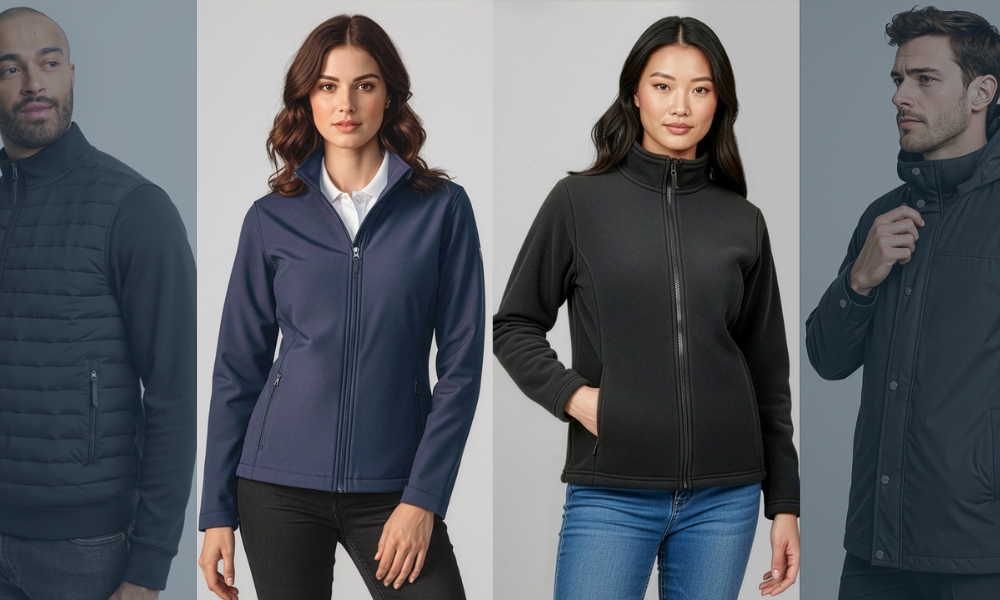
How can you make things easier, especially during winter? Imagine it’s a cold morning, your team walks in, and a few of them are already layering with ‘non-uniform’ items just to stay warm. Some are wearing jackets that don’t quite match, while others look a bit uncomfortable trying to get through the day. It may seem like a small thing, but it can affect how your team feels and how they present themselves.
When the weather starts to cool down, it’s only natural to think about how your team will stay warm at work. The good news is it doesn’t have to be complicated. You don’t need to change everything, just a few simple updates can make a big difference. Adding layers, choosing slightly thicker fabrics, or picking pieces that are easy to mix and match can help your team stay comfortable while still looking neat and professional. If you’re not sure where to start, don’t worry, we’ll keep things simple and walk you through what actually matters.
Below are 7 simple guidelines to help you get it right:
 1. What Actually Changes When the Weather Gets Colder?
It’s a really good question, and one a lot of people don’t always think about. When the weather starts to change, do you ever stop and ask yourself what really needs to change with your team’s uniform, too? What’s the first thing that comes to your mind?
Most people would probably say, “just add a jacket” or “wear something thicker.” And yes, that can help, but there’s a bit more to it than that. Imagine a team member starting their day early in the morning when it’s still cold, then moving between indoor and outdoor areas. They might feel freezing at first, then too warm later. So what changes? It really comes down to comfort, flexibility, and practicality. Your team needs uniforms that can adjust with their day, something they can layer, move in easily, and still feel good wearing. When you get that right, it helps your team stay comfortable while also keeping them looking neat and consistent as a group.
2. The “Add-On” Approach, Not a Full Change
One of the easiest ways to handle winter uniforms is to think in terms of add-ons. You don’t always need to replace your whole uniform. In many cases, your current setup can still work you just need a few extra pieces to make it winter-ready.
Think of this, instead of starting from scratch, you’re simply building on what you already have. Adding items like knitwear, softshell jackets, vests, hoodies, long-sleeve tops, or even waterproof outerwear can make a big difference. For some roles, small extras like beanies or scarves can also help, especially for teams working outdoors or in colder areas. The best part about this approach is how flexible it is. Your team can layer up when needed and adjust throughout the day, without losing that clean and consistent look. It’s practical, more budget-friendly, and a lot easier to manage compared to changing everything every season.

3. Planning for Different Roles in Your Team
Not everyone in your team will need the same winter uniform, and that’s okay. Different roles come with different needs, especially when the weather gets colder.
Instead of giving everyone the same thing, it helps to think about what each role actually needs. Are they working indoors or outdoors? Do they move around a lot? Do they need something light or something warmer?
For example, someone at reception might only need a simple cardigan or a knit to stay comfortable. But someone working outdoors will need something heavier, like a jacket or vest. In hospitality, your team may need layers that keep them warm but are still easy to move in. And for warehouse or trade roles, you’ll want something more durable that can handle daily work. It doesn’t have to be complicated. A little planning at the start can go a long way in keeping your team comfortable and making your uniforms work better for everyone.
 4. Avoiding Bulky and Uncomfortable Layers
When it comes to winter uniforms, it’s easy to think that thicker means better. But is that always the case?
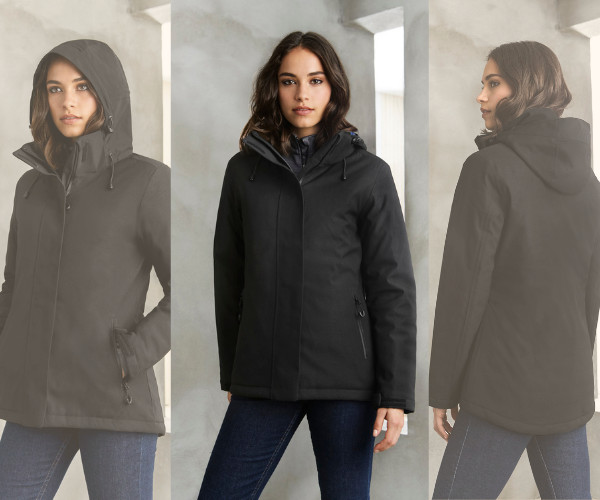
Yes, your team needs to stay warm, but if a jacket or jumper feels too heavy or makes it hard to move, chances are they won’t enjoy wearing it. And if it’s uncomfortable, they might avoid it altogether. Have you ever tried working with something bulky? It can get frustrating quickly.
That’s why it’s better to go for layers that feel light, fit well, and are easy to move in. Pieces that your team wants to wear will always work better. Think softshell jackets, good-quality knits, or well-fitted vests, they keep you warm without getting in the way. At the end of the day, it’s not just about warmth. It’s about finding that balance between comfort and function, so your team can do their job without feeling restricted.
5. Keeping a Consistent Look Even with Layers
When you start adding winter layers, it’s easy to worry, will it still look like a proper uniform? Or will it end up looking a bit all over the place? The good news is, it doesn’t have to. Adding layers doesn’t mean your brand image disappears. With a bit of planning, your team can still look clean, polished, and consistent. It can be as simple as choosing colours that match your current uniform, placing your logo in the right spots, and sticking to similar styles across the team. Even small details like matching jackets or coordinated knitwear can make a big difference in how everything comes together.
The goal is very simple. You want your winter pieces to feel like part of the uniform, not just random items thrown on top. When everything works together, your team stays warm and still looks put together.
6. Thinking Ahead and Making It Last
Have you ever had to sort out uniforms right after the cold weather has kicked in? It can feel rushed, and you don’t always end up with the best options.
Planning ahead can make things easier. When you give yourself enough time, you can choose the right pieces, check what’s available, and make sure your team is ready before the temperature drops. It also helps you avoid limited stock or last-minute choices that don’t quite work. It’s also worth thinking long-term. Are the pieces you’re choosing something your team can use again next year? Good-quality jackets, knits, or vests can last more than one season if you choose them well. Look for items that are comfortable, easy to care for, and still fit your brand over time.
In the end, it’s about choosing pieces that stay useful, look good, and continue to work for your team even beyond just one winter.
 7. Making Winter Workwear Simple
Does winter workwear really have to be complicated? Not at all.
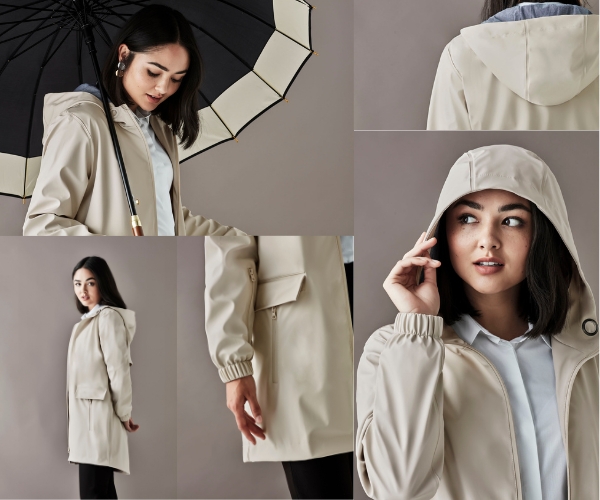
With the right approach, it can be pretty simple. Start with your current uniform and think about what your team really needs. Where do they work? What kind of layers would make them more comfortable? And how can you keep everything looking consistent? Small, thoughtful choices can go a long way.
At The Uniform Edit, we help businesses create uniform solutions that work across different seasons, roles, and industries. Whether you’re adding a few winter pieces or looking to update your uniforms more fully, we’re here to help you find options that fit your team and your brand.
