
Have you ever left home in the morning thinking, “I’m glad I brought something warm,” only to feel too hot by lunchtime? We’ve all had days like that, and it’s not exactly the most comfortable feeling. When it comes to work uniforms, choosing what to wear can be a little tricky, especially when the weather keeps changing. You want to stay warm in the morning without feeling too hot as the day goes on.
That’s why layering is such a great choice, especially when it comes to uniforms. It gives you more flexibility to adjust your outfit throughout the day, depending on the temperature and what feels comfortable. With the right approach, you can stay comfortable, look professional, and make your uniform work better for your everyday routine.
With that in mind, let’s look at how you can make layering work for your uniform and stay comfortable from the cool morning through to the warmer hours of the day.
1. Why Layering Works Well With Uniforms
Have you ever thought about why layering works so well with uniforms? It might seem like a simple thing, but once you understand how it works, you’ll see how useful it can be in your everyday routine. Think about those days when the weather suddenly changes and you’re left feeling too cold or too warm in what you’re wearing. It can be frustrating, especially when you’re already at work and don’t have many options to make yourself more comfortable. This is where knowing how to layer your uniform can make a difference.
Layering gives you more flexibility with what you wear, helping you adjust to changing temperatures without losing that professional look. It also means you can get more use out of the uniform pieces you already have, rather than needing a completely different outfit for every situation. Once you know how to make layering work for you, getting dressed for different parts of the working day becomes much easier.
 2. Start With the Basics
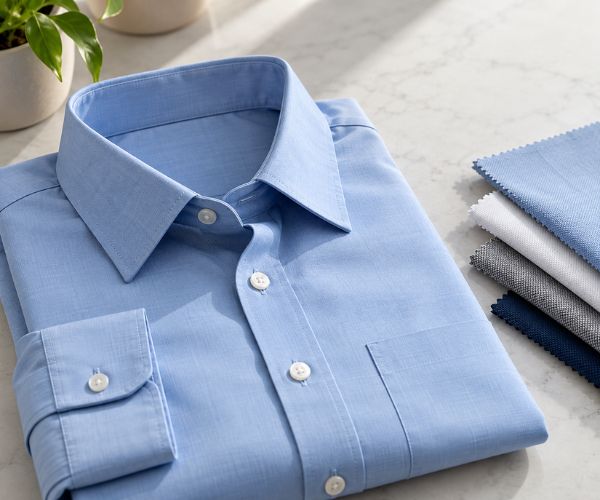
Before thinking about extra layers, it helps to look at the uniform pieces you already have. Are they comfortable enough to wear throughout the day? Do they fit well, and can you move around easily while wearing them? These are worth considering before adding anything else to your outfit. The base layer is important because it’s what you’ll be wearing most of the day. If it feels too tight, too heavy, or uncomfortable on its own, adding another piece on top probably won’t help. Look for uniform styles that feel good to wear and suit the kind of work you do.
Fabric is another thing to keep in mind. Something lightweight and breathable can be a good choice, especially when the temperature changes throughout the day. You want your uniform to feel comfortable on its own but also work well when you add another layer. Once you have the basics right, choosing extra layers becomes much easier. You can focus on pieces that fit comfortably, work well together, and help you get through the day without feeling too hot, too cold, or restricted in what you do.
 3. Add Layers That Give You More Flexibility
Once you have the basics sorted, it’s time to think about which extra layers would work best with your uniform. You don’t always need something thick or heavy. Sometimes, a lightweight cardigan, pullover knit, or simple jacket is enough to keep you comfortable when the morning starts to feel a little chilly.
The best choice depends on your workplace and the look you want to maintain. A tailored jacket can work well in an office or a more formal setting, while a cardigan or lightweight jacket may be a better fit for a more relaxed environment. It’s also worth thinking about how practical each piece will be throughout the day. Can you move around easily while wearing it? Is it easy to put on or remove between tasks? These little details matter, especially for people who spend their day moving between different areas or responsibilities. The aim is to choose layers that feel comfortable, suit your workplace, and give you more flexibility as the temperature changes.
4. Think About How Your Team Actually Works
It’s not just about the uniform itself but also about the people who will wear it every day. Before choosing extra layers, think about what your team’s day looks like. Are they sitting for long periods, constantly on the move, meeting clients or handling different tasks? These details matter because what works for one person may not always work for another.
Comfort is more important than appearance. Think about the fit and feel of each piece and whether it allows people to move freely without restriction. Your team members shouldn’t have to keep adjusting their clothing or find that an extra layer gets in the way of their work. Taking the time to understand your team’s needs makes it easier to choose layers that suit their daily responsibilities. They’re the ones wearing these pieces day in and day out, so the goal is to find options that look good, feel comfortable, and work for the people wearing them.
5. One Uniform, More Ways to Wear It
Who says you have to wear your uniform the same way five days a week? Sometimes, keeping things simple is best! Have you ever tried finding different ways to wear the same uniform pieces? If not, this is for you.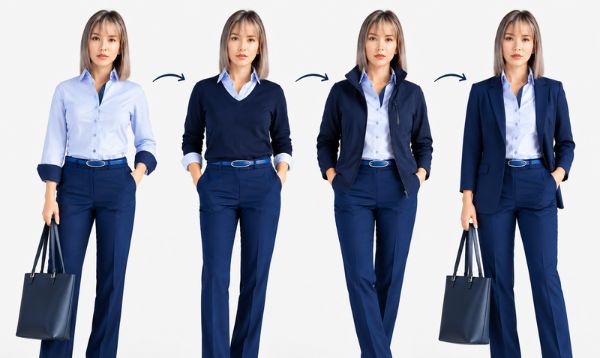
You might be surprised by how many different looks you can create with the pieces you already have. Layering is a great way to switch things up without needing a whole new uniform for every occasion. With a few versatile pieces, you can easily adjust your outfit as the weather changes throughout the day. For example, a shirt with trousers or a skirt might be all you need on a warm day. But when the morning feels chilly, just add a cardigan or lightweight jacket. Once it gets warmer, you can take it off and carry on with your day. It also makes choosing what to wear much easier. When your shirts, jackets, and cardigans go well together, you have more ways to mix and match without buying extra pieces. That way, you can get more out of the pieces you already have while keeping your uniform comfortable and practical.
 6. Keep Every Layer Connected to Your Brand
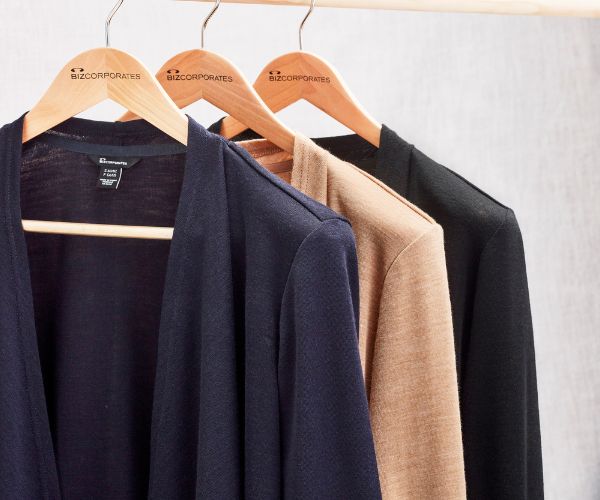
While comfort and practicality are important, it’s also worth thinking about how each layer fits with your brand. Your uniform is part of how your business presents itself, so adding extra pieces shouldn’t make the overall look feel mismatched. Start by considering the colours and styles you already use. A neutral cardigan, for example, may work well with several shirt colours, while a jacket in your brand colours can help create a more consistent look. You don’t need every item to be exactly the same, but choosing pieces that complement one another can help everything feel connected.
Branding is another detail to keep in mind. If your uniforms feature an embroidered logo or other branding, consider how it will look on different fabrics and styles. Logo placement that works well on a polo shirt may need a different approach on a jacket or knit, depending on the design and material. By keeping these details in mind, you can choose layers that are practical to wear and still reflect your business. This way, your team can adjust to changing temperatures without losing the professional look that makes your uniform recognisable.
