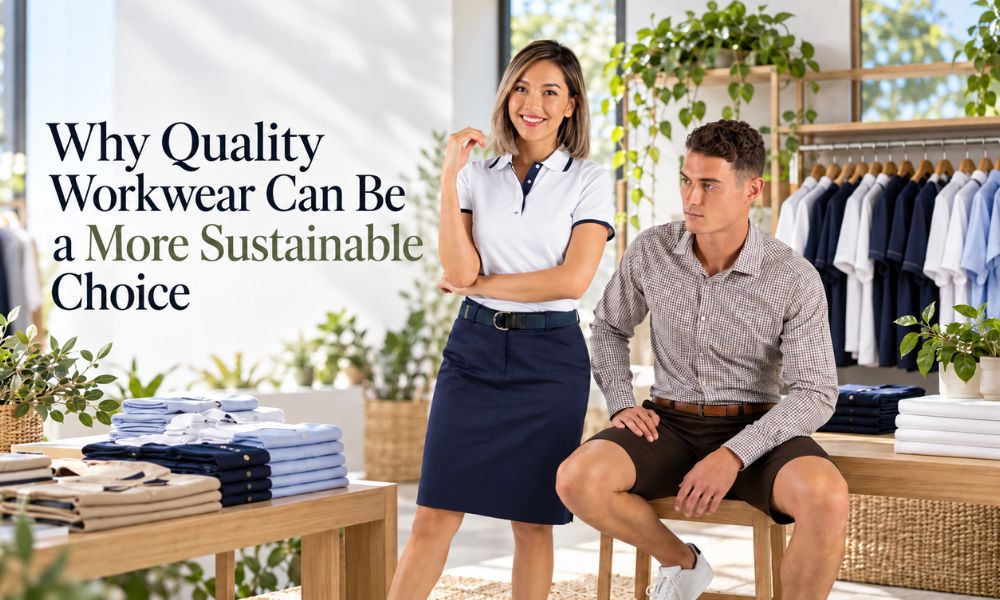
Many of us have the mindset of choosing something simply because it’s cheap, but we don’t always stop to think, is the quality good, and will it last the distance?
This is where quality and sustainability come together. When a uniform is made to last, you don’t have to keep replacing it. The longer you can wear and use a garment, the less often you need to buy another one. That can mean less money spent on replacements, less time spent ordering new uniforms, and less waste. When you think about how often workwear is worn and washed, it can make quite a difference over time.
That’s why choosing quality workwear can be a more sustainable choice. It doesn’t mean you always have to choose the most expensive option. It’s simply about choosing something that is made well, can handle everyday work, and most importantly, can last. Below are the 5 things to consider when choosing quality workwear.
 1. Why Quality Matters in Workwear
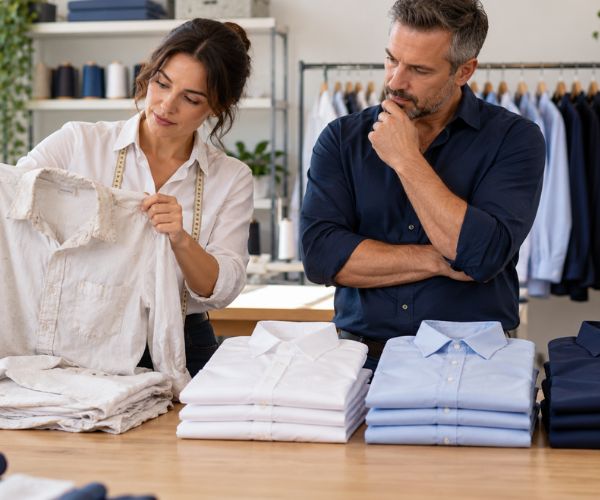
Many of us have heard this before, but how often do we think about it? When we need to buy something, it’s easy to focus on what looks good, what fits the budget, or what is available at the time. We don’t always stop and ask ourselves if the quality is good, if it will work well, or even if it will last.
This is really important, especially when it comes to workwear. Uniforms worn day after day, washed regularly, and put through all kinds of situations. So, choosing something that can handle all of that is worth thinking about. Sometimes, it can be tempting to choose the cheaper option because it seems like you’re saving money. But if the uniform doesn’t last and needs to be replaced sooner, we may end up spending more in the long run. It can be worth paying a little more for better quality if it means getting more wear and more time out of the uniform. A good-quality uniform should be comfortable, practical, and able to keep up with the people wearing it. Being mindful of these things can help you make a better choice from the beginning.
2. The Connection Between Quality and Sustainability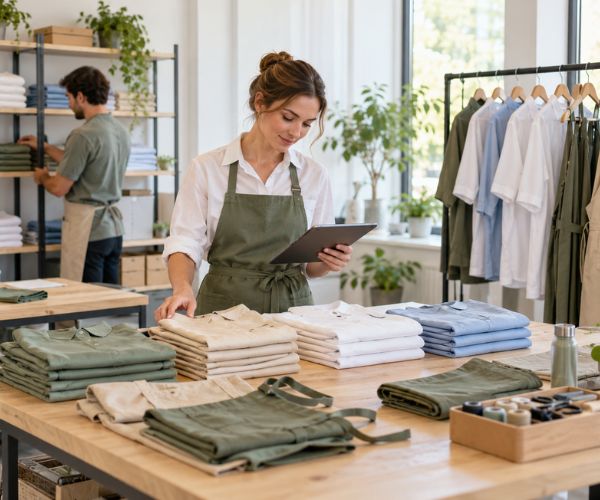
How are quality and sustainability connected when it comes to workwear? When we talk about sustainability, it’s about making choices that make sense for the long term. And workwear is a good example of this. A uniform is not something we buy once and forget about. It’s worn, washed, and worn over and over, sometimes several times a week. The better the quality, the more likely it is to keep up.
Imagine this, if a uniform fades, shrinks, or loses its shape after a few months, you’ll need to replace it sooner. But when you choose good-quality workwear, you can get more use out of it, which means fewer replacements and less waste. Choosing quality workwear isn’t going to solve everything, but it can be one simple way to make a more sustainable choice while still getting something practical and useful for the business.
 3. Looking Beyond the Price Tag
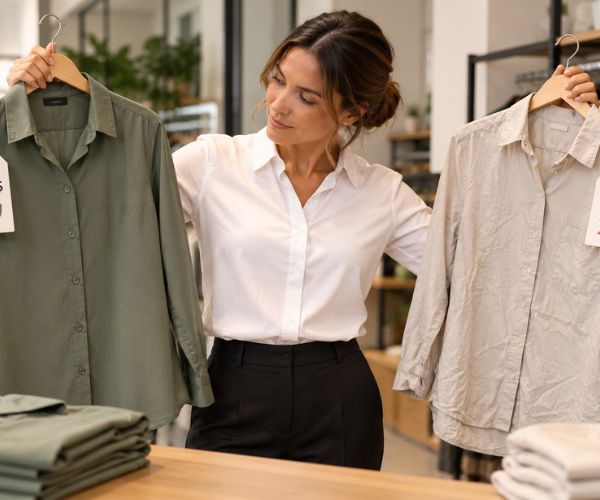
Let’s be honest, when we see a lower price, it’s easy to think, why pay more when I can get it cheaper? And sometimes, that cheaper option might seem like the best choice.
But when it comes to workwear, it’s worth looking a little further than the price tag. What happens if the uniform starts fading, losing its shape or wearing out sooner than expected? You may end up buying the same thing again, and that cheaper option may not feel so cheap anymore. There’s also the time spent reordering uniforms, checking sizes, and making sure everyone has what they need. When you’re managing uniforms for a whole team, it can become a lot more work than expected.
A quality uniform might cost a little more at the start, but if it lasts longer and keeps doing its job, you’re getting more use from what you’ve paid for. So, before choosing based on price alone, ask yourself, am I really saving money, or will I just be buying it again sooner?
 4. Choosing Workwear That Can Go the Distance
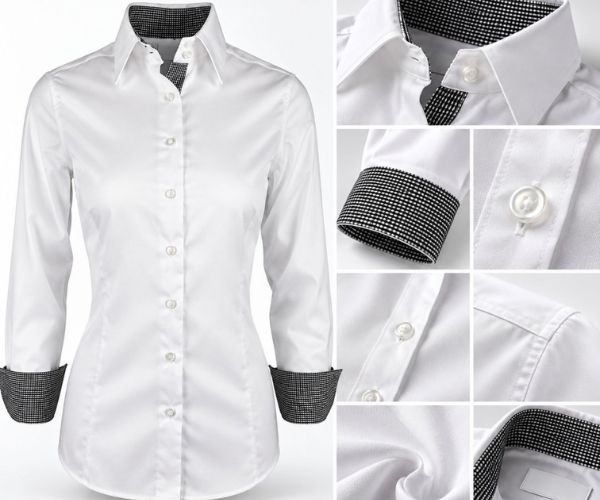
If we want your uniforms to last, it’s worth thinking about how they’ll actually be worn. Will your team be wearing them every day? Will they be washed often? Are they working indoors, outdoors, or always on the move?
For example, a uniform worn every day in a busy café will need to handle frequent washing, spills, and plenty of movement. A lightweight fabric that looks great but doesn’t hold up well after regular washing may not be the best choice. Something comfortable, durable, and easy to care for could be a better fit for everyday use. It’s also worth thinking about the colour and design. Choosing something practical and easy to wear means your team is more likely to keep wearing it rather than replacing it just because it no longer feels right.
5. Building a More Sustainable Uniform Approach
What does a more sustainable approach to uniforms look like? It doesn’t have to be complicated, and you certainly don’t need to change everything at once. Sometimes, it starts with making better choices about what you buy, how much you need, and how long you expect it to last. You don’t have to completely change the way you manage uniforms to make better choices. Sometimes, it can start with a few simple things.
Instead of ordering more uniforms than your team needs, think about how many are being used and what needs replacing. If a uniform is still in good condition, there may be no reason to replace it just because a new range has come out. It can also help to choose pieces that work well together and can be worn in different ways. This makes it easier to manage your uniform collection and means you’re getting more use out of each garment. It’s about making choices that make sense for your team and your business.
